
Heavy machinery accidents often cause serious and life-threatening injuries, requiring extensive treatment.
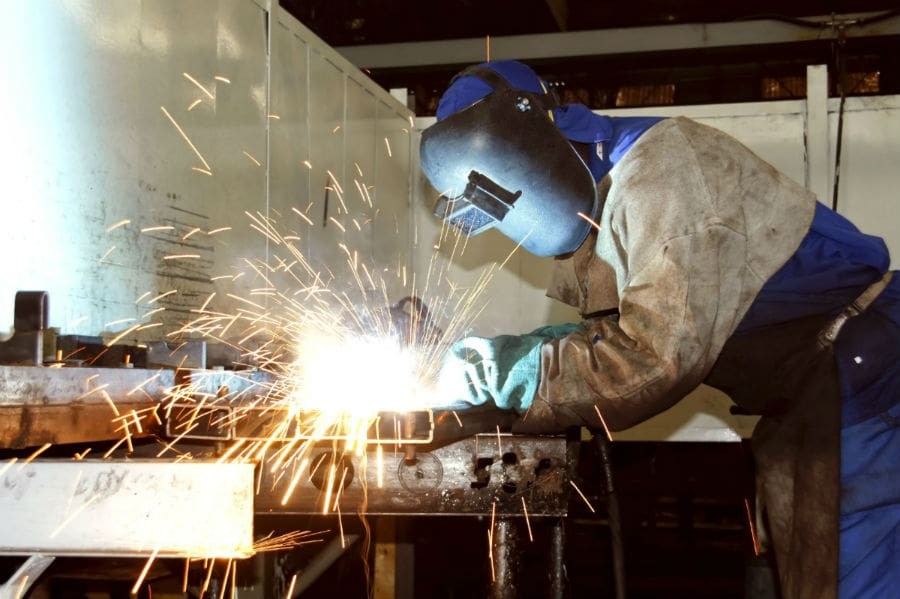
Workers who perform jobs involving the use of heavy machinery are at a high risk of injury. A worker who is injured in a machinery accident at the workplace may claim workers’ compensation benefits. If you come into contact with heavy machinery or equipment at the workplace, then you are at a greater risk of injury compared to workers in other fields. Whenever a worker operates or uses machinery involving moving parts, they are at a higher risk of injury. A small mistake or a minor malfunction can lead to a serious injury or even death of the worker.
Industrial Accidents Involving Heavy Machinery
Work-related accidents can occur for a variety of reasons. They can occur if a body part or piece of clothing becomes stuck in the machinery, or if someone accidently removes the warning label. Machinery accidents often cause serious and life-threatening injuries. Amputation injury is a common injury sustained in industrial or machinery accidents. Workers have lost extremities such as fingers, hands, or arms in industrial accidents. These injuries require extensive treatment and they have life-changing consequences.
Losing a finger or limb will change a person’s entire life. The loss may render a person incapable of working and caring for their loved ones. As most workers who are injured at the workplace have people dependant on them, the injury will affect an entire family and not just the individual.
Compensation for Injured Workers
Missouri workers’ compensation lawyers explain that industrial workers often work in long shifts and it is not a surprise that many workers are injured. It is important that the machinery is maintained well and the workers are trained properly for their operation. Even a small error anywhere in the chain can cause an injury to someone.
Employers know that workers can become injured and that is the reason why employers are required to have workers’ compensation insurance. Employees must understand that workers’ compensation is a no-fault insurance, which means an injured worker will receive benefits irrespective of who is responsible for the injury.
Third-Party Claims and Workers’ Compensation
Third-party claims are distinct and separate from a workers’ compensation claim. In some cases, a machinery accident could be a result of equipment failure and in such cases, the manufacturer or sub-contractor may be held liable for the accident. There is a limit to workers’ compensation benefits that an injured worker may receive, but there is no such cap on third-party damages.
If you have been injured in an industrial or machinery accident, contact The Law Office of James M. Hoffmann at (314) 361-4300. We will explain the workers’ compensation process to you and will help your determine how to receive the correct compensation.